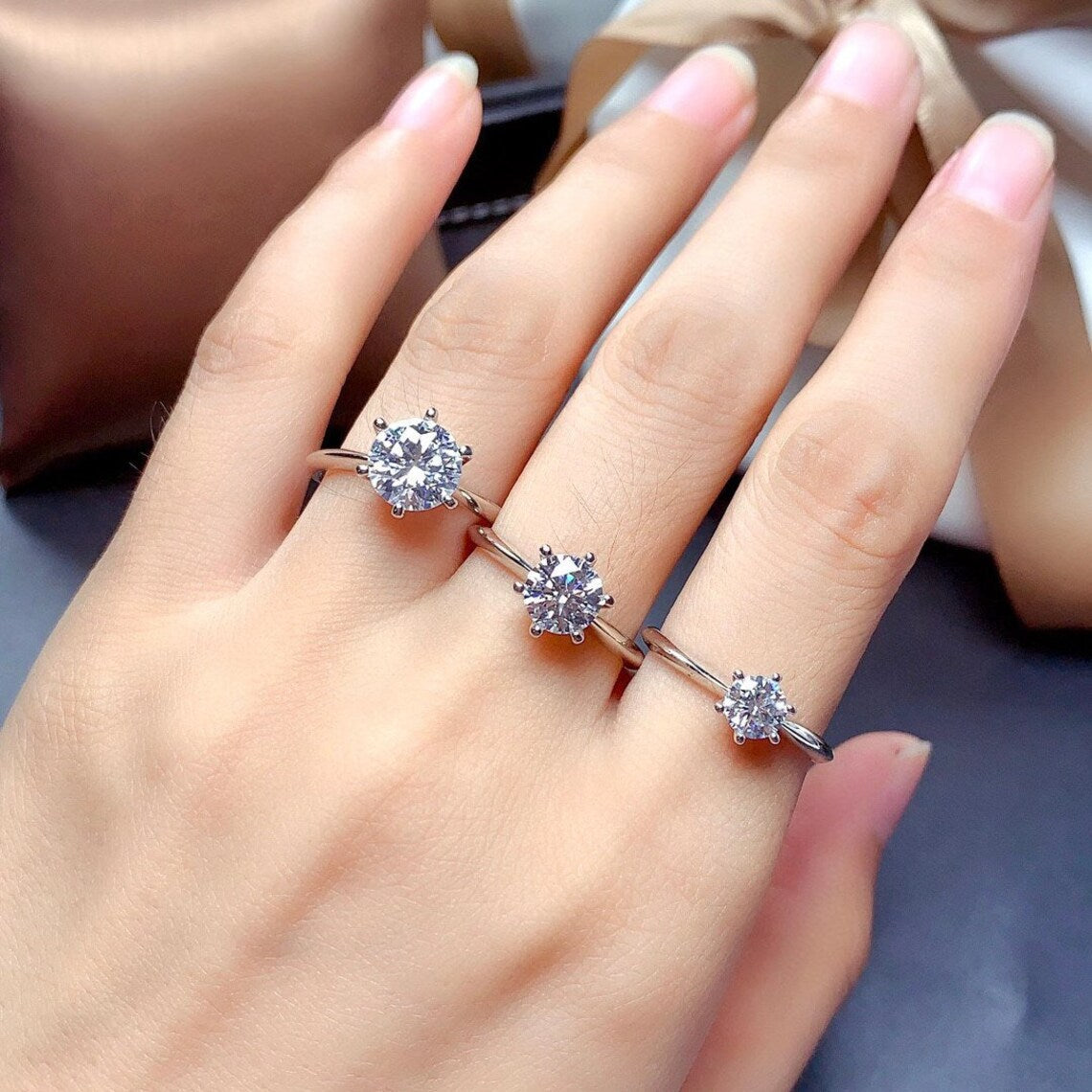

Lab made diamonds are diamonds grown in controlled environments. They are not imitations. They are not substitutes. They are real diamonds with the same crystal structure and chemical makeup as mined stones. The difference is origin. One forms underground over time. The other forms above ground using heat and pressure or vapor deposition. The result is the same material. You can test them. You can certify them. You can set them like any other diamond.
Table of Contents
How they are created
There are two main methods.
High pressure high temperature
This method recreates the conditions found deep in the earth. Carbon is placed under intense heat and pressure. The crystal grows layer by layer.
Chemical vapor deposition
This method uses yellow gold rings gas in a sealed chamber. Carbon atoms attach to a diamond seed. Growth happens slowly and in controlled steps. Both methods produce diamonds that meet grading standards used for mined stones.
Why people choose them
The decision is rarely about novelty. It is about control and clarity. You know where the stone comes from. You know how it was made. You know what you are paying for. Common reasons include:
- Lower cost for the same visual quality
- Predictable supply and sourcing
- More flexibility in size and cut
This matters when you are designing a ring rather than buying what happens to be available.
Visual performance in real settings
In everyday wear lab made diamonds perform the same way as mined stones. They reflect light the same way. They hold up to daily use the same way. What changes the look is not origin. It is cut color and setting. For example a well cut round stone in a yellow gold ring will reflect warmth from the metal. The diamond may appear slightly softer in tone. This is expected and often preferred.
Pairing with yellow gold rings
Yellow gold has its own presence. It adds color before the stone does anything. When you pair it with lab made diamonds you get contrast. The gold provides warmth. The diamond provides brightness. This pairing works well if you want a classic look without excess shine. It also works if you want the metal to be part of the design rather than a neutral frame. Things to consider:
- Higher color grades help maintain brightness against yellow metal
- Prong style affects how much gold reflects into the stone
- Band thickness changes how dominant the metal feels
Example A solitaire with four slim prongs lets more light in. A bezel setting increases warmth.
Cost structure and value
The price difference is usually clear. Lab made diamonds cost less at comparable grades. This does not mean they are cheap. It means more of your budget goes to size cut or design. You can choose: A larger stone at the same budget A higher quality cut A custom setting in solid gold Value here is practical. You are paying for what you see and wear.
Durability and care
A diamond grown in a lab has the same hardness as any other diamond. It resists scratching. It handles daily wear. Care does not change. Clean it regularly. Check prongs once or twice a year. Avoid harsh chemicals when possible. The yellow gold ring will show wear before the diamond does. This is normal.
Ethical and sourcing considerations
Some people choose lab made diamonds because sourcing feels simpler. There is no mining footprint tied to a specific region. Others choose them because documentation is straightforward. This is not about making a statement. It is about removing uncertainty from the decision.
Certification and grading
Lab made diamonds are graded by the same labs. The reports look familiar. You will see the same criteria: Cut Color Clarity Carat weight The report will note that the stone is lab grown. Everything else follows standard grading language.
Who this choice works best for
This option fits if you value control over tradition. It fits if you care how the ring looks on your hand rather than where the stone formed. It also fits if you want to invest in design rather than rarity. If your priority is resale or historical perception this may not align. If your priority is wearing something you chose intentionally it often does.
Common myths worth ignoring
They are not fake. They do not lose sparkle faster. They do not require special settings. These ideas persist because the category is newer. They do not hold up in practice.
Making the final decision
Focus on what you will see and feel every day. Metal color stone size and setting matter more than origin. If yellow gold is your preference then choose a stone that complements it. Pay attention to cut and how the stone sits in the ring. The rest is noise.
FAQ
Are lab made diamonds suitable for engagement rings?
Yes. They are durable and visually identical to mined stones. They work in all standard settings.
Do lab made diamonds look different in yellow gold?
They reflect some warmth from the metal just like mined diamonds do. Cut and setting influence this more than origin.
Will a jeweler work with lab made diamonds?
Most do. They set and repair them using the same tools and techniques.