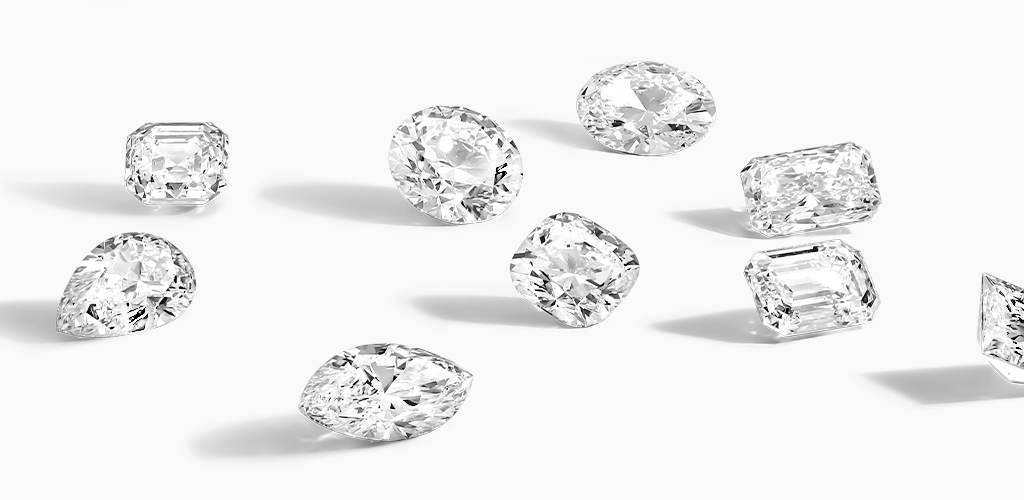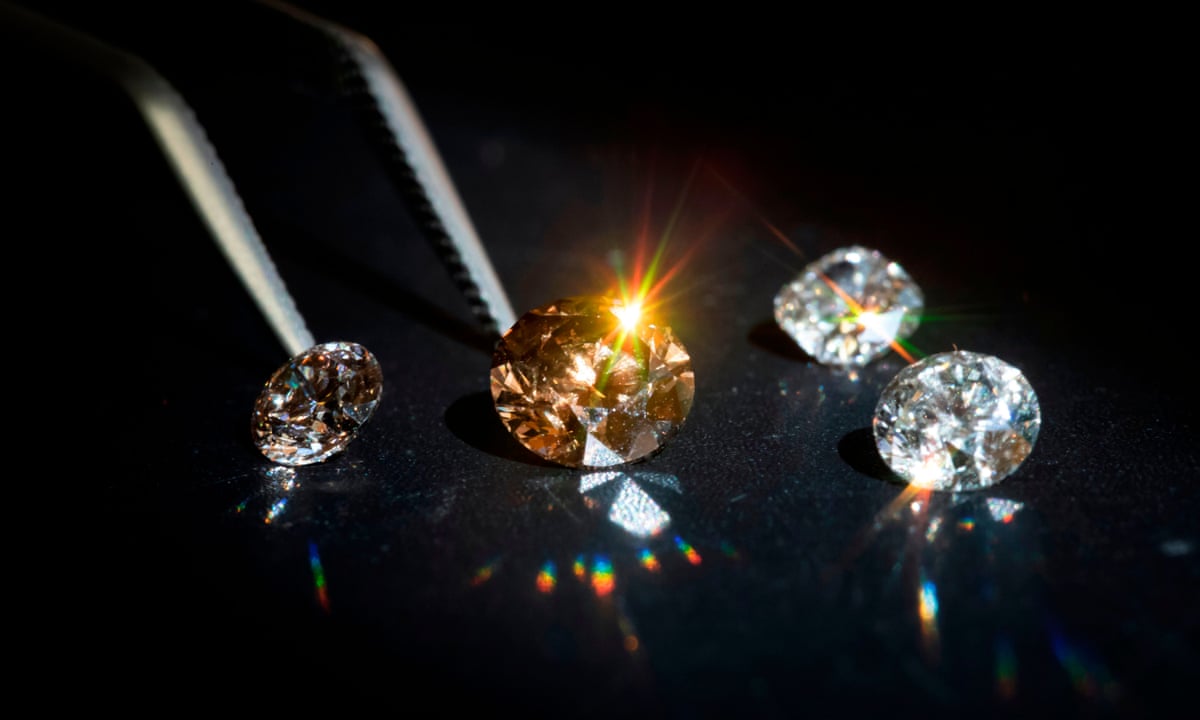

A lab grown diamond is a true diamond formed inside labs instead of being pulled from deep underground. Same stuff as the ones found in nature – pure carbon locked into an identical atomic grid. These aren’t fake gems such as zircon; they’re actual crystalline replicas. Their inner makeup matches exactly what you’d see in mined stones. Not copies built to trick the eye. Not man-made copies. Real stones made by high-tech processes instead of mines. When buying a diamond, knowing where it comes from becomes key. The choice isn’t about genuine versus imitation. It’s about one source compared to another. Diamonds made this way come from one of two techniques. Deep underground conditions get copied through intense heat and pressure. A chamber filled with carbon heavy gas builds up diamond layers slowly over time. Each finished stone can be shaped and assessed the same as those pulled from mines. Without close inspection, spotting a distinction becomes impossible. These lab created versions look identical under normal viewing.
Table of Contents
Comparing Lab Grown and Mined Diamonds
What stands out most? Structure, look, strength, worth. When it comes to build and firmness, no difference at all. A ten on the Mohs chart – same number. Scratches don’t stand a chance against either one. Worn every day? Either works just fine. Some might seem exactly alike at first glance. Depending on the cut, along with clarity and color, each gem handles light differently. Shine suffers when the shaping falls short – no matter if made underground or in a lab. Their roots tell them apart, also what shows up on price tags.
- From soil, one begins. The second starts on a shelf under lights. Not dirt, but dishes full of solution feed it.
- Factories growing diamonds track every step closely. Control stays high because conditions are set on purpose.
- A lower price tag shows up more with lab created diamonds when they match mined ones in quality. Their cost tends to stay under, even though the look stays close.
A single carat natural diamond, clear and bright, often demands a higher price than its lab made twin with matching paperwork. Because of that gap, where you put your money shifts without warning.
Pricing And Long Term Value
Money matters most when folks look into lab grown stones. Usually cheaper, since factories make them faster without digging up earth. This opens options. Get more sparkle for what you would spend anyway. Maybe spending less sounds good without changing your ring size. Yet a smaller price tag now might not save money later. Lab diamond re-sales aren’t fully settled yet. Natural stones have had more time in secondhand trade. When future selling is on your mind, get clear answers first. What happens when trading in jewelry. Does the store offer buybacks. A trusted grading report – will it come with the stone. Forget guessing what it might be worth later. Focus on what matters now. Build choices around today’s reasons.
What to Look for in Quality
A diamond’s origin bridal jewellery or created in a lab – doesn’t change how it’s judged. Instead of rushing, start by checking the four Cs. What matters most? How it’s cut. Color comes next, then clarity, then carat weight. Brilliance lives or dies by the precision of the cutting. A perfect gem can still seem lifeless when shaped wrong. So before anything else, take time to examine the quality of the cut. From clear to lightly colored – that’s the usual range. Some go for almost colorless options since they look good yet cost less. What’s inside or on a stone affects its clarity grade. Tiny flaws often hide unless you’re using tools. Paying extra for unseen details makes little sense. A stone’s weight is what carat tells you, never assume it shows how big it looks. Even when two gems weigh the same, one might appear larger due to cut differences. Always request the certification before deciding anything. Trusted diamonds come with analysis from known testing centers. Go through the document carefully instead of accepting spoken details alone.
ethical environmental concerns
Not everyone likes how mines operate, so some choose lab grown stones instead. Making these gems above ground means less digging deep below. Knowing where a stone comes from becomes simpler this way. Power demands differ from one facility to another. Sun or wind may run certain factories. Some depend on old-style electricity networks. When nature matters to you, clarity becomes key.
- Inside what lab did they make the diamond?
- What energy sources were used
- Does a trusted organization confirm the lab meets set rules?
Truth shapes fair choices more than guesses man made diamonds. When facts guide actions, outcomes tend to land differently. Beliefs without proof shift ground beneath judgment. Seeing what is there matters most.
Right Setting Choice
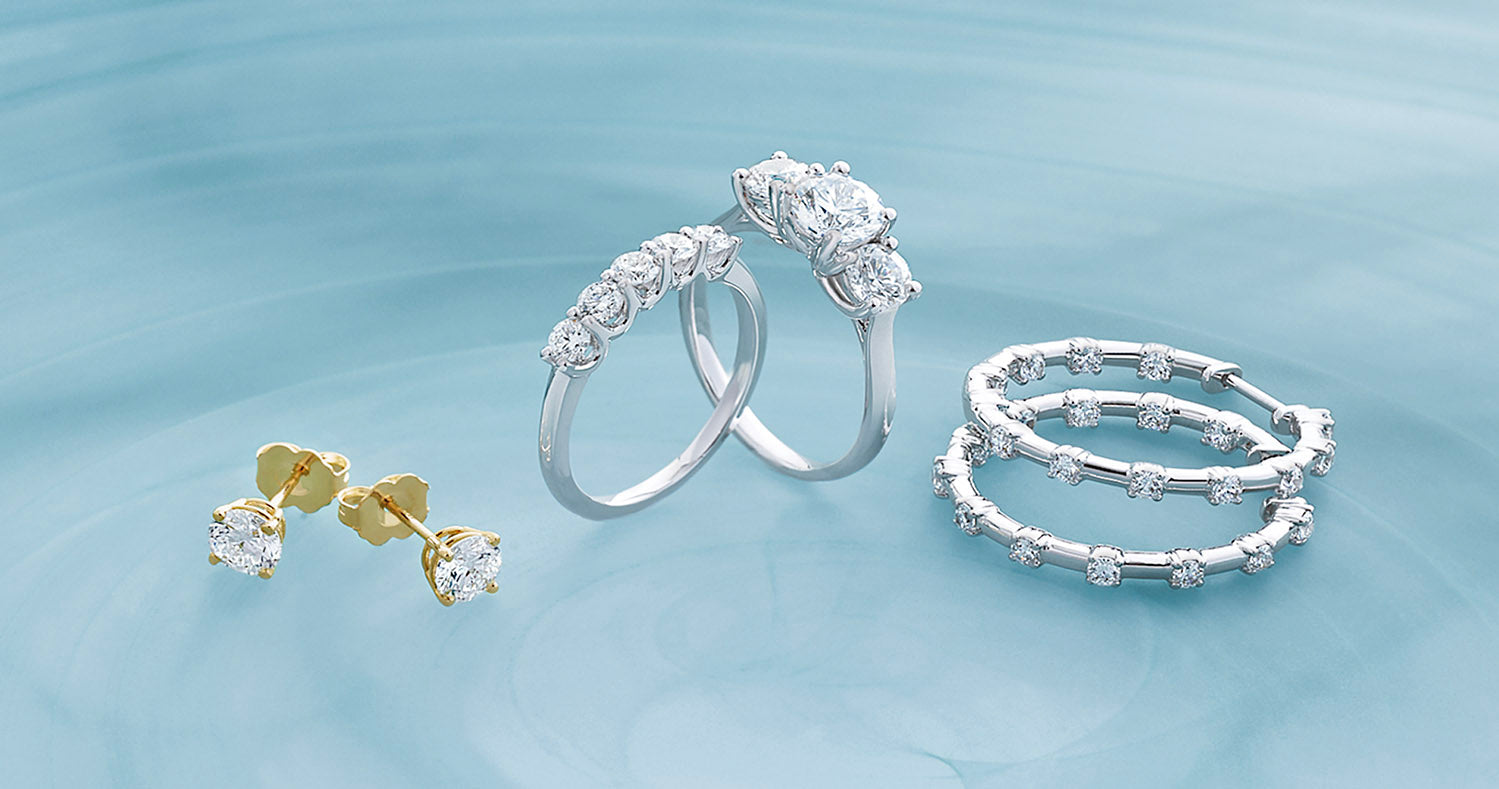
A single stone stands out clearly when set simply. Depending on the design, a ring might hold its sparkle longer. Some styles surround the main diamond with tiny stones instead. That kind of frame gives the illusion of size. Three-stone layouts tell a story through spacing and balance. One reason people pick a three stone ring? It stands for something personal. When it comes to metal, what you choose makes a difference. Durable and staying bright without coating – that is platinum. Want brightness but less cost? Try white gold instead. For a richer feel against gemstones, yellow gold brings depth through warm tones. A touch of rose gold brings warmth instead. Take this case: when a nearly colorless diamond sits in yellow gold, it can look just a bit brighter because of how the colors play off each other. Now place that same stone in white metal – its faint hue might show up clearer. Your routine matters too. Suppose you’re often using your hands; then a sleeker setting makes sense since it sticks out less and handles bumps better.
When Lab Grown Diamonds Are Practical
Sometimes it makes sense to pick lab grown stones instead of mined ones. A bigger main gem fits your plan when money matters. Knowing exactly how and where it was made appeals to you more. How it looks right now means more than what it might sell for later. Still, they fit nicely into costume accessories. Necklaces, clips, or bands for yearly milestones offer solid sparkle without the steep price. When heritage gems mean more because of old customs, choices might shift. Knowing your true preference keeps things steady.
Things to Think About Before Buying
Start by asking if the diamond has certification from a known lab. Pay close attention when shopping – details matter here. How does this stone look next to one pulled from the earth. Be sure your questions include resize options. A solid guarantee should handle flaws from production. Returns? Find out exactly what happens after purchase. Sharp focus makes all the difference. Wait before deciding. Under sunlight, things look different. Inside shops, lights make diamonds seem brighter. Move closer to a window when you can. Write down what you see. Matching details works better than guessing later.
Care and Maintenance
Cleaning works just like it does for natural stones. A mix of gentle soap plus lukewarm water gets the job done. Behind the gem, small particles gather – wipe them away with a soft-bristled tool. Yearly checkups keep the metal claws holding the diamond secure. Skip strong cleaners while your ring’s on. Take it off before tough jobs by hand. Big-ticket rings might need insurance thoughts. See if home coverage includes jewelry, otherwise look at extra options.
Frequently Asked Questions
Are lab grown diamonds real diamonds
Fine. Identical traits – both physical and chemical – match those of natural stones. How they come into being sets them apart. Formation method makes the distinction.
Do they last as long as natural diamonds
Fine. Identical toughness, just like one another. Lasts decades when looked after well.
What makes them cost less?
Fewer steps in making it mean no digging into the earth. Because of that, expenses across production drop naturally.