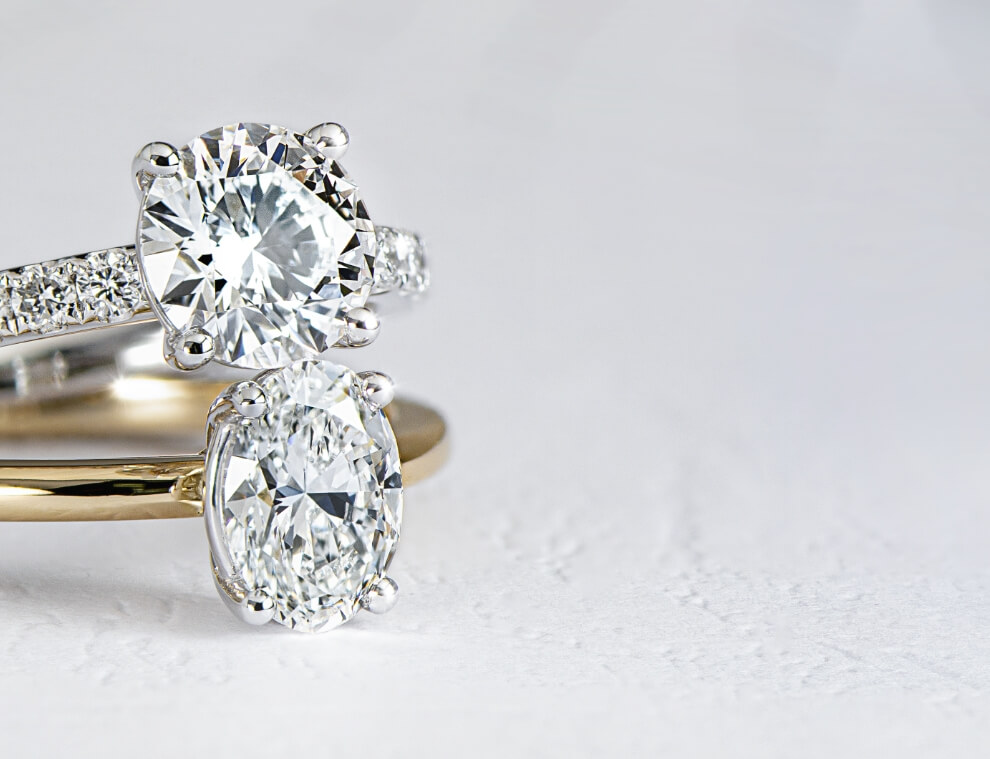

Lab made diamonds are changing the way people think about fine jewelry. These stones are real diamonds created in controlled laboratory environments instead of being mined from the earth. They look identical to natural diamonds, share the same physical and chemical properties, and are becoming increasingly popular for engagement rings, fashion jewelry, and everyday wear.
In recent years, many shoppers searching for sustainable and affordable luxury have also become interested in pendientes de diamantes sintéticos, which highlights how lab-created stones are shaping global jewelry trends in both English and Spanish-speaking markets.
Table of Contents
What Are Lab Made Diamonds?
Lab made diamonds, also called lab grown or synthetic diamonds, are diamonds created using advanced technology that mimics natural conditions found deep within the Earth. These diamonds are not fake or imitation stones like cubic zirconia. Instead, they are chemically identical to mined diamonds.
They are made of pure carbon arranged in a crystal structure. Because of this, even expert jewelers often need special equipment to tell them apart from natural diamonds.
One of the biggest reasons people choose lab diamonds is value. They often cost 30% to 60% less than mined diamonds while offering the same brilliance, durability, and sparkle.
How Lab Grown Diamonds Are Created
There are two main methods used to produce lab made diamonds:
High Pressure High Temperature (HPHT)
This method recreates the natural formation process of diamonds. Carbon is exposed to extreme pressure and high heat, similar to conditions deep within the Earth’s mantle. Over time, the carbon crystallizes into a diamond.
Chemical Vapor Deposition (CVD)
In this process, a thin diamond seed is placed inside a sealed chamber filled with carbon-rich gas. The gas is heated until carbon atoms begin to bond layer by layer, slowly forming a diamond crystal.
Both methods produce real diamonds. The difference is simply where and how they are formed.
Benefits of Lab Made Diamonds
Lab grown diamonds offer several advantages that appeal to modern consumers.
First, they are more affordable. Buyers can often get a larger or higher-quality stone for the same budget. This makes them especially attractive for engagement rings and luxury jewelry.
Second, they are environmentally friendly. Traditional diamond mining can disrupt ecosystems and require large amounts of energy and land. In contrast, lab diamonds are created in controlled facilities with a smaller environmental footprint.
Third, they are ethically sourced. Since they are not mined, there are no concerns about conflict diamonds or unethical labor practices.
Finally, they offer consistent quality. Because the process is controlled, lab diamonds often have fewer impurities and can be produced with excellent clarity and color.
Pendientes de diamantes sintéticos: A Rising Jewelry Trend
One of the fastest-growing categories in the jewelry world is pendientes de diamantes sintéticos. These earrings are made using lab grown diamonds and are becoming a popular choice for people who want elegance without the high cost of mined stones.
What makes pendientes de diamantes sintéticos so appealing is their versatility. They can be worn daily for a simple, polished look or paired with formal outfits for special occasions. Because lab diamonds are just as durable as natural ones, they are perfect for earrings that need to withstand regular use.
Another reason for their popularity is accessibility. Many buyers who once considered diamond earrings out of reach can now afford larger, more brilliant designs thanks to lab created stones.
In addition, fashion trends are shifting toward sustainability. As a result, pendientes de diamantes sintéticos are often chosen by consumers who care about ethical sourcing and environmental responsibility.
Lab Diamonds vs Natural Diamonds
Although lab grown and natural diamonds look identical, there are key differences between them.
Natural diamonds form over billions of years deep within the Earth. They are mined from the ground and often come with a higher price tag due to rarity and extraction costs.
Lab diamonds, on the other hand, are created in a matter of weeks in a controlled environment. This makes them more accessible and budget-friendly.
However, both types share the same hardness level of 10 on the Mohs scale, meaning they are equally durable. They also have the same sparkle, brilliance, and fire when cut properly.
The main difference comes down to origin, price, and personal preference. Some buyers value the natural formation story, while others prefer the ethical and financial benefits of lab created stones.
How to Choose the Right Lab Made Diamond
When shopping for a lab diamond, it’s important to consider the “4 Cs”:
Cut
The cut affects how much a diamond sparkles. A well-cut diamond reflects light beautifully and appears more brilliant.
Color
Lab diamonds range from colorless to slightly tinted. The less color, the rarer and more valuable the stone.
Clarity
Clarity measures the presence of internal flaws. Lab diamonds often have high clarity because they are created under controlled conditions.
Carat
Carat refers to the weight of the diamond. Since lab diamonds are more affordable, many buyers choose larger carat sizes without exceeding their budget.
When choosing pieces like pendientes de diamantes sintéticos, it’s especially important to focus on cut and clarity, since earrings are viewed up close and should have maximum sparkle.
Are Lab Diamonds a Good Investment?
Lab diamonds are generally not considered investment stones in the traditional sense, because their resale value can be lower than mined diamonds. However, they offer excellent value for personal use.
Instead of thinking of them as financial investments, it’s better to see them as lifestyle investments. You get more beauty, size, and quality for your money, which makes them a smart choice for many buyers.
The Future of Lab Grown Diamonds
The popularity of lab made diamonds continues to grow every year. As technology improves, production becomes more efficient, and prices continue to become more competitive.
Jewelry brands are also expanding their collections, offering everything from engagement rings to fashion pieces, including earrings, necklaces, and bracelets made with lab diamonds.
With increasing awareness about sustainability and ethical sourcing, lab grown diamonds are expected to play a major role in the future of the jewelry industry.
Conclusion
Lab made diamonds represent a modern shift in how people view luxury, beauty, and responsibility. They offer the same brilliance as mined diamonds but with added benefits like affordability, ethical sourcing, and environmental sustainability.
From engagement rings to everyday jewelry, they are becoming a preferred choice for many consumers around the world. In particular, pendientes de diamantes sintéticos show how lab diamonds are influencing global fashion trends, making elegant jewelry more accessible than ever.
As awareness grows and technology advances, lab grown diamonds are not just an alternative—they are becoming a new standard in fine jewelry.