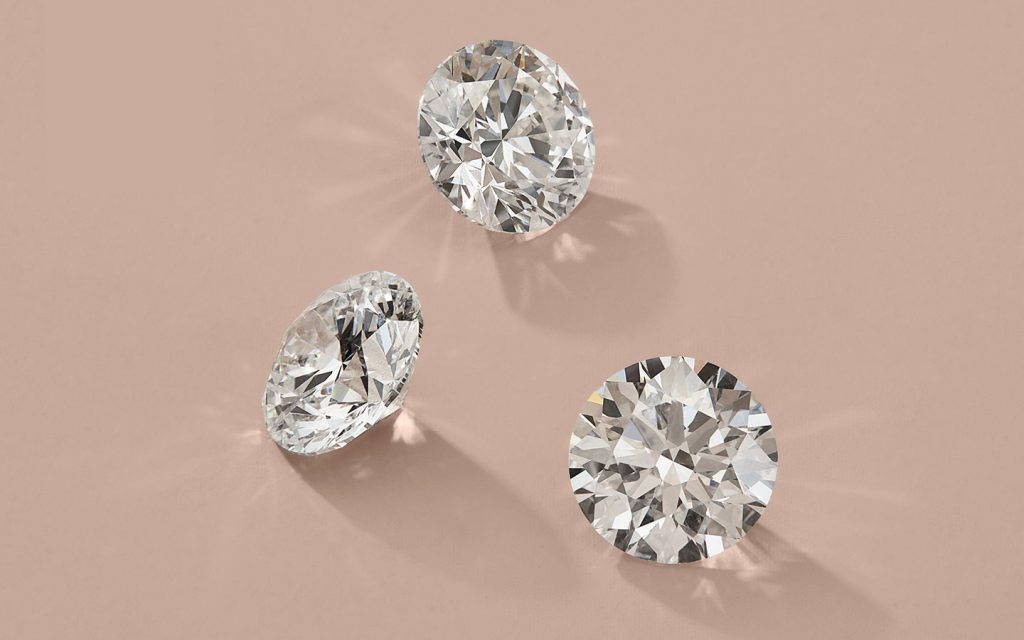

Fine jewelry has always reflected personal taste, craftsmanship, and the beauty of precious materials. Diamonds remain among the most popular choices for engagement rings, earrings, necklaces, and other meaningful pieces. However, advances in gemstone technology have introduced another option for modern buyers: CVD diamonds.
These stones offer the visual appeal and physical properties associated with traditional diamonds. They are created using specialized laboratory equipment rather than developing naturally beneath the Earth’s surface. Their growing availability has given jewelry designers more flexibility in stone selection, size, and design.
For shoppers researching diamante cvd, understanding the production process, quality characteristics, and purchasing considerations can make choosing a diamond much easier.
Table of Contents
What Makes CVD Diamonds Different?
CVD stands for Chemical Vapor Deposition. It is a scientific process used to grow diamonds inside a controlled environment. Instead of relying on geological conditions, manufacturers use carbon-containing gases to build diamond crystals over time.
A small diamond seed provides the foundation for growth. The seed is placed inside a specialized vacuum chamber, where gases such as methane and hydrogen are introduced. Energy activates these gases, allowing carbon atoms to separate and gradually attach to the seed.
As additional carbon layers develop, a larger diamond crystal forms. The resulting material can be cut and polished into gemstones suitable for fine jewelry.
Unlike cubic zirconia or glass imitations, CVD diamonds are genuine diamonds. They share the same basic chemical composition and crystal structure as naturally mined diamonds.
How the CVD Diamond Production Process Works
Producing a quality diamond requires careful control throughout several stages.
Preparing the Diamond Seed
The process begins with a thin diamond seed, which acts as the foundation for crystal growth. Manufacturers carefully select and prepare this material to support consistent development.
Creating the Growth Environment
The seed enters a vacuum chamber containing hydrogen and a carbon-rich gas, commonly methane. The chamber operates under controlled temperature and pressure conditions.
Microwave energy creates plasma, which activates the gases and makes carbon available for deposition.
Growing the Crystal
Carbon atoms gradually settle onto the diamond seed. Layer by layer, the crystal increases in size until it reaches the desired dimensions.
The growth process requires patience and technical precision. Manufacturers monitor the environment to reduce unwanted impurities and maintain crystal quality.
Cutting and Polishing
After growth, the rough crystal undergoes examination, cutting, and polishing. Skilled diamond cutters determine the most suitable shape while considering weight retention, clarity characteristics, and light performance.
The finished stone can then be used in rings, pendants, bracelets, and other jewelry designs.
CVD Diamonds vs. Naturally Mined Diamonds
Both diamond types share the same fundamental material properties, but their origins are different.
Natural diamonds develop underground over extremely long geological periods. They form under intense heat and pressure deep within the Earth before eventually reaching the surface through geological processes.
CVD diamonds develop in laboratory equipment through controlled chemical reactions. Their production does not require traditional mining.
Their visual appearance can be remarkably similar. Even experienced jewelry professionals may need specialized equipment to determine a diamond’s origin.
The main differences include:
- Origin: Natural diamonds develop through geological processes, while CVD stones grow in controlled laboratory environments.
- Composition: Both consist primarily of crystalline carbon.
- Appearance: Both can display excellent brilliance, fire, and scintillation.
- Identification: Specialized gemological testing can distinguish their growth characteristics.
- Market value: Laboratory-grown stones generally have lower retail prices than comparable natural diamonds.
Neither origin automatically guarantees better craftsmanship or superior beauty. Individual stone quality remains essential.
The Four Cs Still Matter
Choosing a CVD diamond requires the same attention to quality that buyers give to other diamonds. The Four Cs provide a useful starting point.
Cut
Cut influences how efficiently a diamond interacts with light. A well-cut stone reflects light through its facets, creating noticeable brightness and sparkle.
Popular shapes include round brilliant, oval, pear, princess, and emerald cuts. The right choice depends on personal preference and the intended jewelry setting.
Color
Diamond color grades describe how much yellow or brown tint appears in a stone. Colorless grades generally fall between D and F, while near-colorless grades extend through G to J.
Fancy-colored laboratory-grown diamonds are also available, offering options such as pink, blue, and yellow.
Clarity
Clarity describes internal inclusions and external blemishes. Some characteristics are difficult to notice without magnification, while others may affect transparency or appearance.
Buyers should consider how visible any imperfections are rather than focusing exclusively on the highest available grade.
Carat Weight
Carat measures a diamond’s weight, not its physical dimensions. Two diamonds with identical carat weights may appear different in size because of their proportions and cutting styles.
For example, an oval diamond can look larger from above than a round diamond of similar weight.
Understanding Treatments and Certification
Not every CVD diamond leaves the growth chamber with its final color. Some crystals receive additional treatment to improve their appearance.
High-pressure, high-temperature treatment, commonly called HPHT treatment, can help reduce unwanted brown coloration in certain CVD-grown stones. This process changes the stone’s color characteristics without adding new diamond material.
The treatment history is worth checking before purchasing. Reputable documentation should clearly identify the stone as laboratory-grown and disclose relevant growth or treatment information.
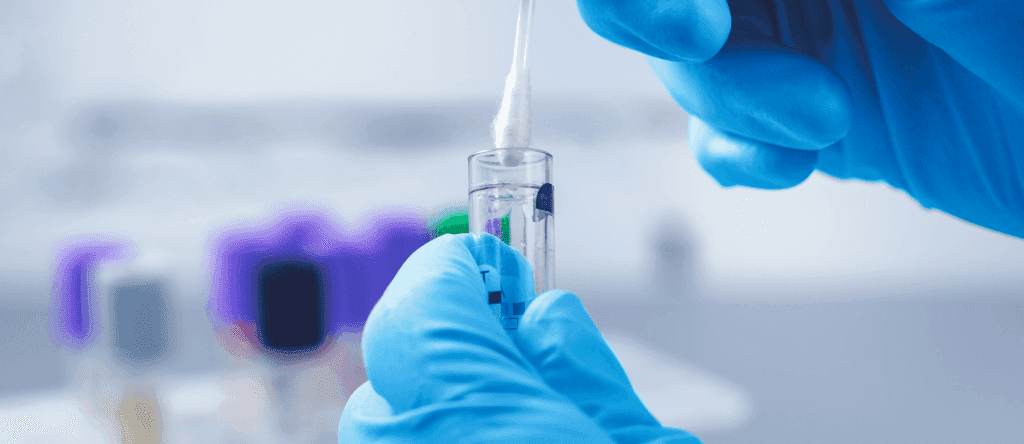
Independent gemological organizations, including the Gemological Institute of America (GIA), use specialized testing to examine laboratory-grown diamonds. Their reports can provide valuable information about a stone’s identity and quality.
A certificate or grading report should match the diamond being sold. Buyers can also check laser inscriptions when available to confirm the report identification.
Jewelry Designs That Suit CVD Diamonds
The versatility of CVD diamonds makes them suitable for many traditional and contemporary designs.
Engagement Rings: Solitaire settings highlight the center stone, while halo designs add surrounding brilliance. Oval and cushion cuts work particularly well in modern engagement styles.
Diamond Earrings: Stud earrings offer a timeless appearance. Matching stones create a balanced look suitable for everyday wear and formal occasions.
Necklaces and Pendants: A single diamond pendant creates a subtle focal point. Larger stones and decorative settings provide a more noticeable appearance.
Tennis Bracelets: A continuous row of carefully matched diamonds creates a refined design. Consistent color, cut, and clarity help maintain a uniform appearance.
Because these stones can be produced in different sizes and shapes, designers have greater flexibility when developing coordinated jewelry collections.
Caring for CVD Diamond Jewelry
CVD diamonds have the same hardness as natural diamonds, measuring 10 on the Mohs hardness scale. However, hardness does not mean a stone cannot chip or become damaged.
Regular care helps preserve the appearance of finished jewelry.
- Clean diamond jewelry using warm water, mild soap, and a soft brush.
- Avoid harsh household chemicals that may damage metal settings.
- Store individual pieces separately to reduce scratches on surrounding jewelry.
- Remove rings during activities that could expose them to strong impacts.
- Have prongs and other settings inspected periodically by a professional jeweler.
Although the diamond itself is highly resistant to scratching, the precious metals surrounding it may require additional care.
Is a CVD Diamond a Suitable Choice?
A CVD diamond can be an appealing option for buyers who value diamond appearance, verified material quality, and greater flexibility in their jewelry budget.
However, the purchasing decision should involve more than price. Stone proportions, grading information, transparency about treatments, and the reputation of the seller all deserve attention.
Buyers interested in lab made diamonds should compare individual stones rather than assuming that every laboratory-grown option offers identical quality. Two diamonds with the same carat weight can differ significantly in cut performance and overall appearance.
It is also worth considering long-term value. Laboratory-grown diamonds generally have a different resale market from natural diamonds, and buyers should not assume they will retain their original retail price.
A Modern Direction for Fine Jewelry
CVD technology has expanded the choices available to jewelry buyers and designers. It offers another way to create genuine diamond gemstones without depending on traditional mining.
For anyone researching diamante cvd, the most useful approach is to focus on verified origin, independent documentation, and the Four Cs. Understanding these details helps buyers choose pieces that match their preferences, expectations, and budget.
A thoughtfully selected CVD diamond can become a meaningful part of an engagement ring, a special gift, or an everyday jewelry collection. The best choice is one that combines dependable quality with a design the wearer genuinely enjoys.