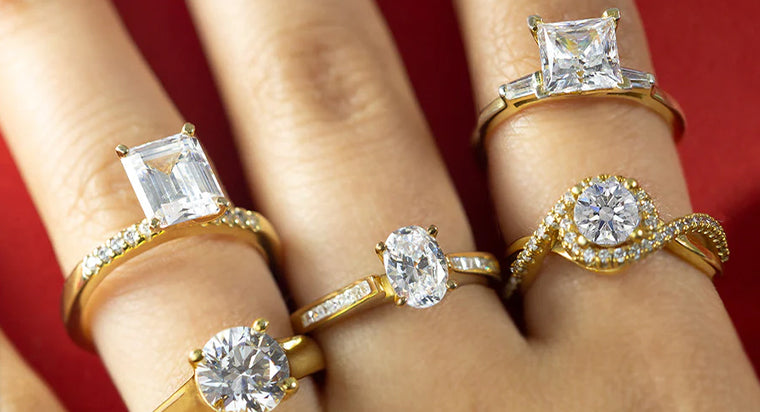

The Novita lab diamonds story began with a different way of thinking about diamond jewellery. Instead of relying on stones extracted from the earth, the company chose to focus on diamonds created through advanced laboratory processes. Founded in Australia in 2019, Novita Diamonds developed its business around lab-grown stones, engagement rings, and fine jewellery. Its journey also reflects wider changes in how people understand diamond origins, quality, and value.
Table of Contents
An Engagement Ring Inspired the Original Idea
The beginnings of Novita Diamonds are connected to founder Iris Arnold’s personal experience of choosing an engagement ring.
According to her account published by Easy Weddings, Arnold wanted a diamond but felt uncomfortable with the environmental and ethical concerns associated with mining. She eventually recognised an opportunity to offer jewellery made with laboratory-grown stones.
In 2019, she established Novita Diamonds in Australia. The company focused on making lab-grown diamonds a central part of its jewellery collection rather than treating them as an occasional alternative to mined stones.
The name Novita comes from the Latin word meaning “new”, reflecting the company’s interest in a different approach to diamond jewellery.
Why Laboratory-Grown Diamonds Became Central to Novita
Laboratory-grown diamonds were not a new scientific invention when Novita began operating. Researchers had successfully produced synthetic diamonds decades earlier, but making gem-quality stones suitable for jewellery took further technological development.
By the 2010s, improvements in diamond production had made colourless laboratory-grown stones more widely available for commercial jewellery.
This development created an opportunity for businesses specialising in lab diamonds.
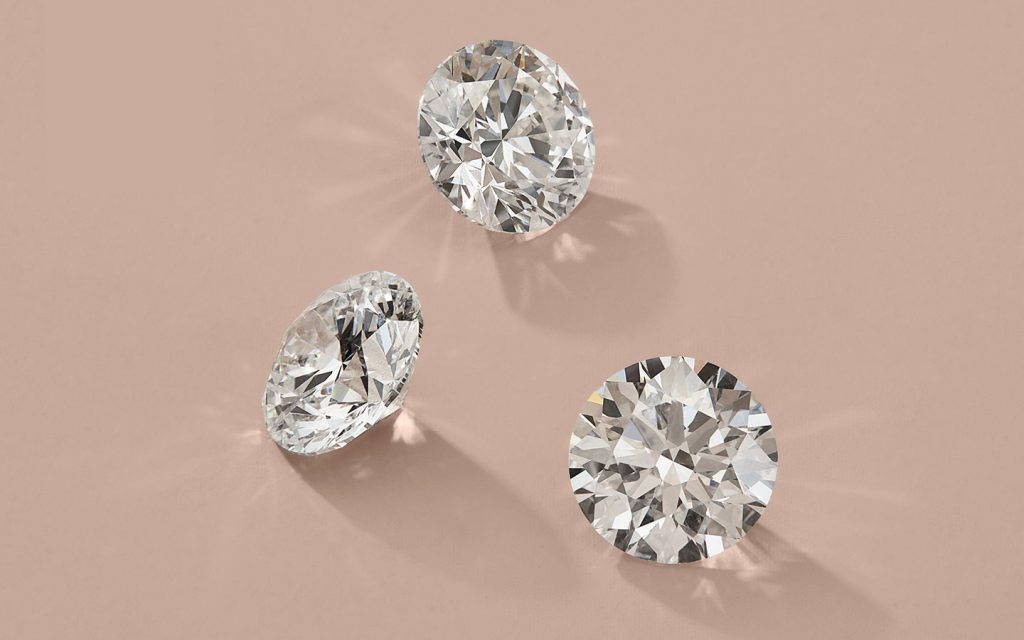
Unlike cubic zirconia or moissanite, laboratory-grown diamonds are genuine diamonds. They have essentially the same chemical composition, crystal structure, and physical properties as natural diamonds. Their main difference is where and how they form.
For Novita, this distinction provided a foundation for offering traditional jewellery designs using stones produced without diamond mining.
The Technology Behind the Jewellery
Two established methods are used to grow diamonds in controlled environments.
High Pressure High Temperature, commonly called HPHT, uses intense pressure and heat to encourage carbon to form diamond crystals. The process recreates important conditions associated with natural diamond formation.
Chemical Vapour Deposition, or CVD, takes another approach. Carbon-containing gas is introduced into a controlled chamber, allowing diamond material to develop gradually on a suitable seed.
Both methods can produce diamonds suitable for jewellery. However, the production method alone does not determine a finished stone’s beauty or quality. Cutting, proportions, colour, and clarity also influence its appearance.
These developments helped establish the technical foundation for companies such as Novita Diamonds, whose jewellery collections centre on laboratory-grown stones.
From Australia to Singapore’s Jewellery Market
Novita’s development eventually extended beyond Australia, including a business presence in Singapore.
NOVITA DIAMONDS PTE. LTD. was incorporated in Singapore on 8 October 2021. Its registered business activity involves the retail sale of jewellery made from precious metals and stones. This established a formal local presence for the Australian-origin brand.
For Singapore readers, the company’s expansion is relevant because it connects an international laboratory-grown diamond business with the local jewellery market.
The Singapore website, Novita Diamonds, provides a country-specific point of reference for exploring the brand and its diamond jewellery offerings.
What the Novita Story Reveals About Diamond Quality
One important aspect of the Novita lab diamonds story is the distinction between a diamond’s origin and its quality.
A laboratory-grown diamond is not automatically flawless because it was produced under controlled conditions. Like natural diamonds, laboratory-grown stones can differ in several measurable characteristics.
Diamond assessment commonly considers four main factors:
-
Cut: The proportions and finish that influence how light interacts with the diamond.
-
Colour: The presence or absence of noticeable colour within the stone.
-
Clarity: Internal features and surface characteristics that may affect appearance.
-
Carat weight: The measurement of a diamond’s weight rather than its visible size.
Independent grading reports can help document these characteristics and identify a stone as laboratory-grown.
This information matters because two diamonds with similar carat weights may look noticeably different depending on their cut quality and other properties.
Environmental Questions Beyond Diamond Mining
The environmental discussion surrounding laboratory-grown diamonds deserves careful attention.
Growing diamonds in a laboratory avoids the need to extract those particular stones from the ground. However, production still requires energy, specialised equipment, and industrial resources.
The environmental impact can vary according to the manufacturing process, electricity source, and production conditions. Therefore, laboratory-grown diamonds should not automatically be described as environmentally harmless.
Novita Diamonds’ emphasis on laboratory-grown jewellery reflects an alternative to conventional diamond sourcing. Its history also shows why clear information about production methods and diamond origins matters when discussing responsible jewellery choices.
For Singapore consumers, understanding these differences provides a more accurate picture of the technology and the business model behind modern diamond jewellery.