A tennis bracelet is one of those rare pieces of jewelry that feels both classic and effortlessly current. Slim, elegant, and endlessly versatile, it has earned a permanent place in fine jewelry collections around the world. Whether worn daily or reserved for special occasions, the tennis bracelet carries a story of style, craftsmanship, and evolving values—especially as modern buyers become more thoughtful about materials and sourcing.
This article explores what makes a tennis bracelet so enduring, from its fascinating origin to today’s design options and buying considerations.
Table of Contents
What Is a Tennis Bracelet?
At its core, a tennis bracelet is a flexible line bracelet set with a continuous row of gemstones—most traditionally diamonds—held together by a delicate metal framework. The stones are typically uniform in size and closely set, creating a seamless ribbon of sparkle around the wrist.
What sets the tennis bracelet apart from other bracelets is its balance. It’s refined without being flashy, minimal yet luxurious. This balance is precisely why it transitions so easily from casual daytime wear to formal evening attire.
The Origin of the Name
The term “tennis bracelet” has a surprisingly sporty origin. During the 1987 U.S. Open, professional tennis player Chris Evert famously stopped a match after her diamond line bracelet broke and fell off her wrist. She asked officials to pause the game while she searched for it.
The incident caught the public’s imagination, and jewelers soon began referring to this style as a “tennis bracelet.” The name stuck, transforming a simple design into a cultural icon almost overnight.
Design and Craftsmanship
While the silhouette of a tennis bracelet may appear simple, its construction requires exceptional craftsmanship. Each stone is individually set—often in prong or bezel settings—and linked in a way that allows fluid movement while maintaining strength.
Key design elements include:
- Stone setting: Prong settings allow maximum light to enhance brilliance, while bezel settings offer a sleeker, more modern look.
- Flexibility: A well-made tennis bracelet should drape naturally on the wrist without kinking.
- Clasp security: Most feature a box clasp with a safety latch to prevent accidental loss.
These details ensure that the bracelet is not only beautiful but also practical for long-term wear.
Choosing the Right Stones
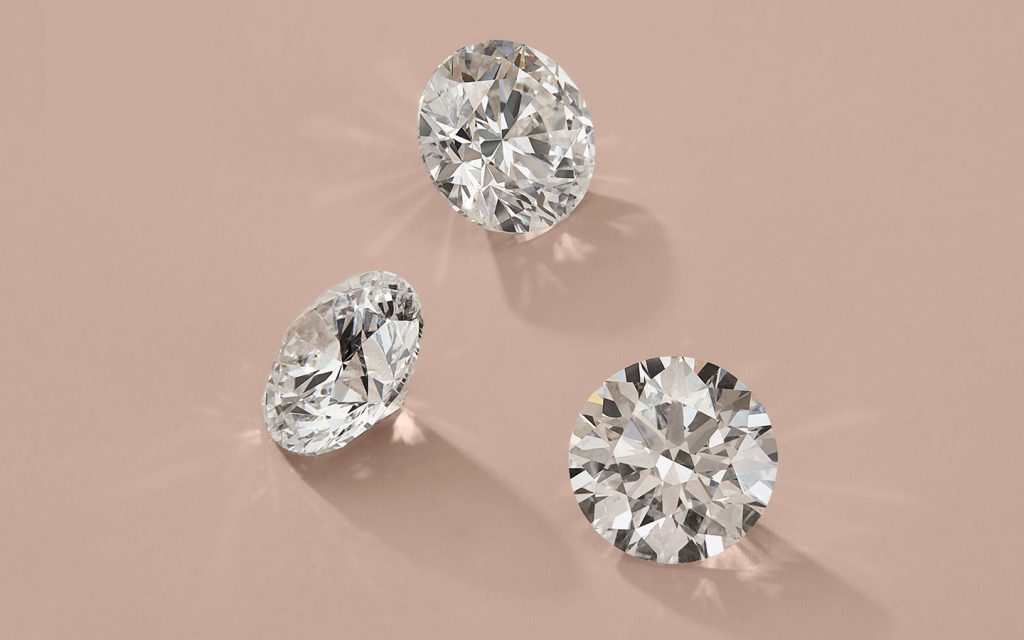
Diamonds remain the most popular choice for tennis bracelets, but today’s market offers more variety than ever. Natural diamonds, lab-grown alternatives, and even colored gemstones like sapphires or emeralds can be used to personalize the look.
In recent years, many buyers have turned to lab created diamonds as a compelling option. They offer the same optical, chemical, and physical properties as mined diamonds while often being more accessible in price. This allows wearers to choose larger stones or higher clarity without compromising quality.
When selecting stones, consider the “Four Cs”—cut, color, clarity, and carat weight—as well as how uniform the stones appear when set together.
Metal Choices and Their Impact
The metal setting plays a crucial role in both aesthetics and durability. Common options include:
- White gold: A classic choice that enhances brilliance and suits modern tastes.
- Yellow gold: Warm and traditional, offering a vintage-inspired feel.
- Rose gold: Romantic and contemporary, flattering on many skin tones.
- Platinum: Highly durable and naturally white, ideal for long-term wear.
Each metal brings a distinct character to the bracelet, so the choice often comes down to personal style and lifestyle considerations.
How to Choose the Perfect Tennis Bracelet
Buying a tennis bracelet is an investment, and a thoughtful approach makes all the difference. Here are a few practical tips:
- Get the right size: A tennis bracelet should sit comfortably, not too tight or too loose. Most jewelers recommend about a half-inch of extra room.
- Think about wear frequency: If you plan to wear it daily, prioritize durability and secure settings.
- Balance sparkle and subtlety: Larger stones make a statement, while smaller stones offer understated elegance.
- Set a budget: Decide what matters most—stone size, metal type, or overall craftsmanship—and allocate accordingly.
By keeping these factors in mind, you’ll find a bracelet that fits both your wrist and your lifestyle.
Sustainability and Modern Values
Today’s jewelry buyers are increasingly conscious of ethical and environmental considerations. Advances in technology have expanded choices, allowing consumers to align beauty with responsibility.
Options featuring lab created diamonds are often appreciated for their transparent sourcing and reduced environmental footprint compared to traditional mining. This shift reflects a broader trend in fine jewelry—one that values innovation, traceability, and mindful consumption without sacrificing elegance.
Styling a Tennis Bracelet
One of the tennis bracelet’s greatest strengths is its versatility. It can be worn solo for a refined, minimalist look or layered with bangles and cuffs for a more contemporary style.
For everyday wear, pair it with a watch or slim gold bracelets. For formal occasions, let it shine on its own against bare skin or complement it with matching diamond earrings or a pendant necklace. No matter how it’s styled, it adds a subtle note of luxury.
Caring for Your Tennis Bracelet
To keep a tennis bracelet looking its best:
- Clean it gently with warm water, mild soap, and a soft brush.
- Store it separately to avoid scratches.
- Have the clasp and settings checked periodically by a professional jeweler.
Proper care ensures the bracelet remains as radiant years from now as the day it was purchased.
Conclusion
The tennis bracelet is more than just a piece of jewelry—it’s a symbol of timeless style, precision craftsmanship, and evolving values. From its unexpected sports-world origin to its place in modern, conscious collections, it continues to adapt while retaining its essential elegance.
Whether adorned with natural stones or lab created diamonds, a tennis bracelet remains a graceful expression of personal taste. It’s a piece that doesn’t shout for attention yet never goes unnoticed—quietly sparkling through every chapter of life.