
When choosing a diamond—natural or lab-grown—no factor influences its sparkle and overall appearance as much as the diamond cut. While clarity, color, and carat weight are important, the cut is what truly brings a diamond to life. In the world of man made diamonds, the significance of cut remains just as crucial. This article explores the artistry and science behind corte del diamante and why it matters so much, especially when it comes to man made diamonds.
Table of Contents
What Is Diamond Cut?
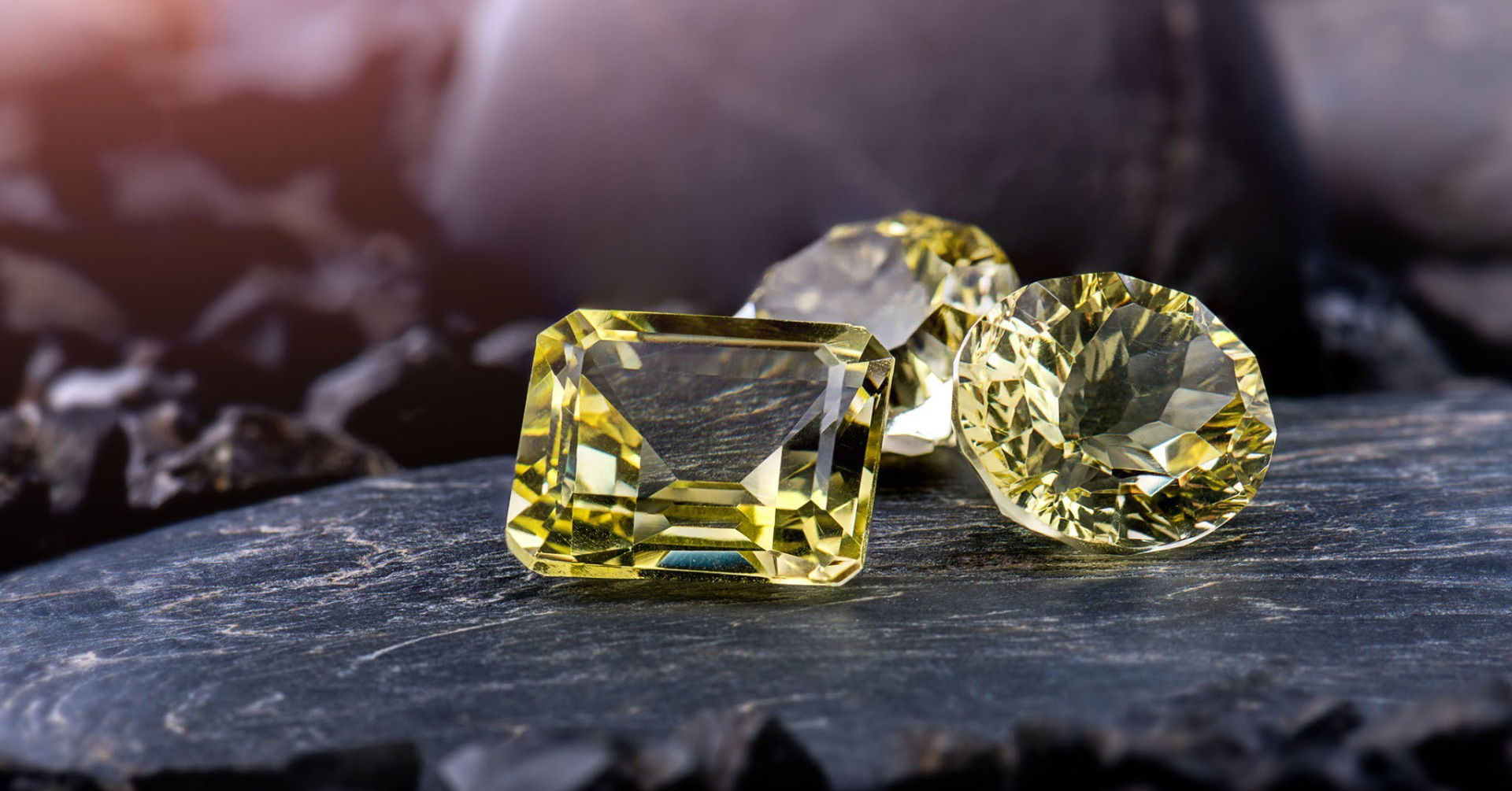
The diamond cut refers to how well a diamond’s facets are shaped and arranged. It’s not about the shape (like round or oval) but the quality of workmanship that determines how light interacts with the stone. A well-cut diamond reflects light beautifully, resulting in the brilliance and fire that diamonds are celebrated for.
Whether it’s a natural stone or one of the many stunning man made diamonds, a precision cut can elevate the diamond’s appearance and value significantly. Cut is measured using parameters like depth, table size, crown height, and pavilion angle, all of which affect how light travels through the diamond.
Why Cut Matters More Than Carat or Clarity
While many shoppers focus on size or purity, experts often recommend prioritizing cut. A poorly cut diamond—no matter how large or clear—will look dull and lifeless. In contrast, a smaller diamond with an excellent cut will appear more brilliant and attractive.
In the case of man made diamonds, this principle holds especially true. Lab-grown diamonds are often produced with fewer inclusions and better color than many mined stones, making them ideal candidates for precision cutting. A superior cut enhances the natural brilliance of lab-grown diamonds, allowing them to outshine poorly cut natural counterparts.
Popular Diamond Cuts in Man Made Diamonds
There are several popular diamond cut styles, each offering a unique aesthetic. Here are a few of the most sought-after options used in both natural and man made diamonds:
-
Round Brilliant: The most classic and popular cut, known for optimal light reflection.
-
Princess Cut: A square or rectangular cut with pointed corners and strong brilliance.
-
Cushion Cut: A vintage-inspired cut with soft, rounded edges and a romantic glow.
-
Emerald Cut: Elegant and understated, featuring a large table and step-cut facets.
-
Oval, Pear, and Marquise: Unique shapes that elongate the finger and offer distinct sparkle.
Man made diamonds are available in all of these cuts and more, allowing consumers to choose a style that best suits their personal taste and the intended setting.
The Cutting Process for Man Made Diamonds
The cutting process for man made diamonds is nearly identical to that of mined diamonds. After a diamond is grown in a lab—using methods such as Chemical Vapor Deposition (CVD) or High Pressure High Temperature (HPHT)—it is assessed for its potential cut and shape. Expert gem cutters then use precision tools to shape and polish the diamond, aiming to maximize its fire and brilliance.
Because the growth of man made diamonds is controlled, cutters often have more consistent material to work with, allowing for fewer flaws and more optimal cuts. This controlled environment can lead to higher cut quality in many cases.
Grading Diamond Cut Quality
When purchasing a diamond, it’s essential to check the cut grade, which ranges from Poor to Excellent. These grades are determined by gemological labs like GIA or IGI. Factors assessed include symmetry, polish, and light performance.
In the case of man made diamonds, reputable sellers provide certificates that include a detailed cut grade. Always ask to see these reports, as they offer valuable insight into how the diamond will perform visually.
Cost vs. Value: Investing in Cut Quality
One of the benefits of choosing man made diamonds is that they are typically more affordable than their mined counterparts—often by 20–40%. This cost difference provides the opportunity to invest more in a higher-quality cut.
A well-cut diamond, even if slightly smaller or lower in carat, will sparkle more and appear more striking. This makes cut an essential factor in maximizing value, especially when the base material—lab-grown diamond—is already high in clarity and color.
Choosing the Right Cut for You
Choosing the perfect diamond cut depends on your style, budget, and how you plan to wear the diamond. For everyday wear, cuts with rounded edges like round brilliant or cushion may be more durable. For bold, statement pieces, emerald or marquise cuts can provide dramatic flair.
Since man made diamonds come in a wide range of shapes and cuts, they offer tremendous flexibility for customization. Whether you’re designing an engagement ring or a pendant, there’s a cut that will reflect both your style and your values.