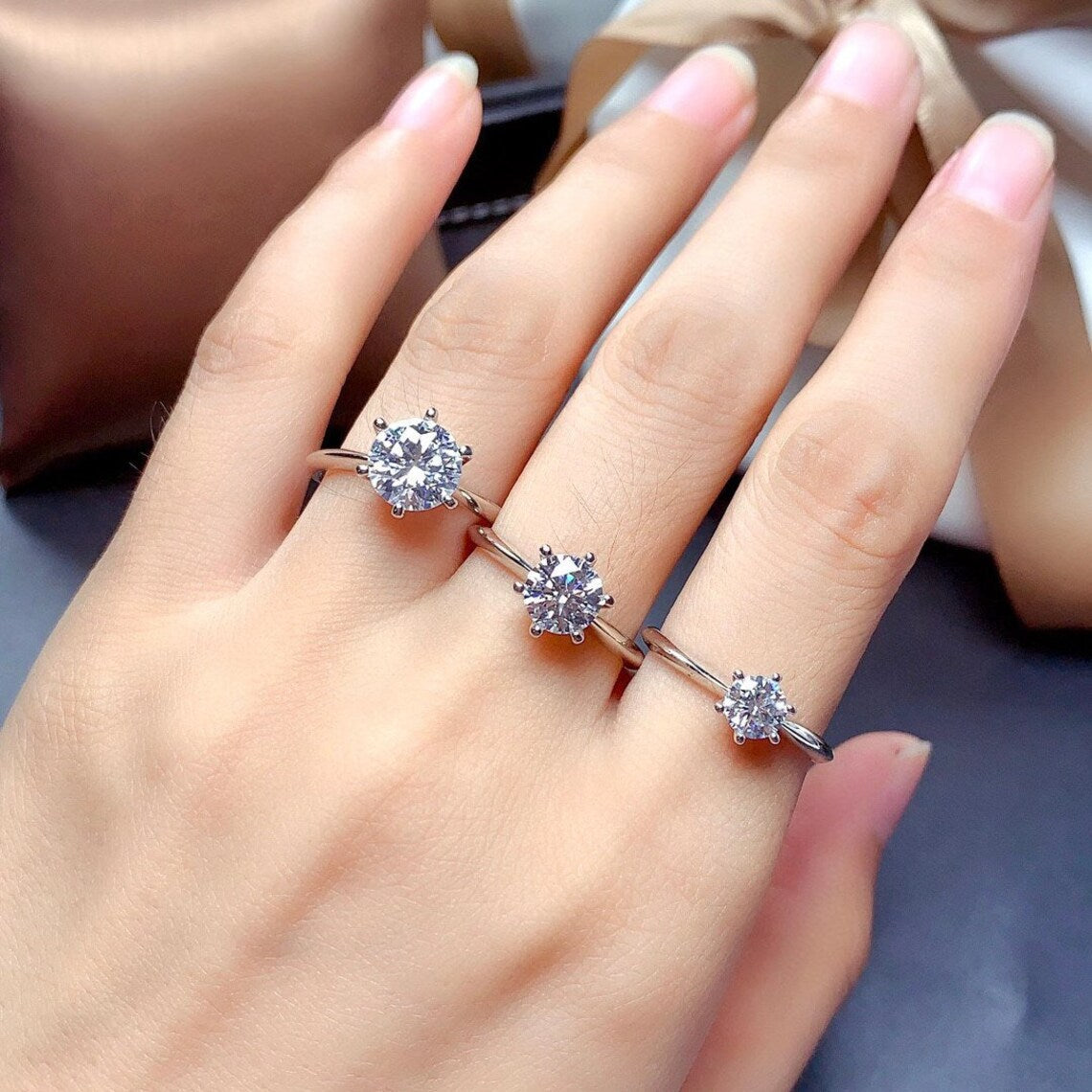

Choosing between gold and diamonds depends on what you want from the purchase. If you are asking which is better gold or diamond, the answer comes down to value, use, resale potential, and personal style. Gold is a precious metal with a transparent market price, while diamonds are gemstones whose value depends on quality and demand.
Both can work well in jewelry, gifts, and long-term purchases. However, they behave very differently after you buy them. Understanding those differences can help you spend wisely.
Table of Contents
Which Is Better Gold or Diamond for Long-Term Value?
Gold usually has a clearer connection to a global market price. Its value changes based on supply, demand, inflation expectations, interest rates, and investor activity. A gold item’s purity and weight also make its underlying metal value easier to estimate.
Diamonds do not have one simple market price. Their value depends on carat weight, cut, color, clarity, certification, shape, and market demand. Two diamonds with the same weight can have very different prices because their quality grades differ.
For buyers focused mainly on preserving material value, gold is often easier to understand. For buyers who want beauty, symbolism, and a centerpiece stone, a quality diamond can provide more emotional and design value.
How Gold Is Valued
Gold jewelry is commonly marked by karat, which shows how much pure gold it contains. For example, 24-karat gold is close to pure gold, while 18-karat gold contains 75 percent gold. Fourteen-karat gold contains 58.5 percent gold.
Higher purity means more gold content. However, pure gold is soft, so jewelers mix it with other metals for strength. This is why 14-karat and 18-karat gold remain popular for rings, bracelets, and everyday pieces.
If you later decide to sell gold Sydney buyers may assess the item’s weight, purity, condition, and current market price. Designer value or craftsmanship may also matter, but scrap buyers often focus mostly on metal content.
How Diamond Value Works
Diamond pricing is more complex because small quality differences can affect the price. The traditional 4Cs provide a useful starting point: carat, cut, color, and clarity. Certification from a respected grading laboratory can also make a diamond easier to evaluate.
Cut often has the strongest effect on visual appearance. A well-cut diamond reflects light effectively and can appear brighter than a heavier stone with poor proportions. Color and clarity matter too, but buyers do not always need the highest grade for an attractive stone.
Natural diamonds and lab-grown diamonds also have different resale patterns. Lab-grown stones can provide strong visual quality at a lower purchase price, but their secondary-market prices may be less predictable.
Durability and Everyday Wear
Gold and diamonds serve different roles in jewelry. Diamond is the hardest natural material commonly used in fine jewelry, which makes it highly resistant to scratching. However, a diamond can still chip after a strong impact.
Gold is softer and can scratch or bend over time. Higher-purity gold is generally softer than lower-karat alloys. A 14-karat gold ring may therefore handle daily wear better than a 24-karat piece.
Setting design also matters. Secure prongs, bezels, and well-built bands can protect gemstones and reduce the risk of damage during normal use.
Which Choice Makes More Sense for Jewelry?
For versatility, gold has an advantage. Jewelers can shape it into rings, chains, bracelets, earrings, pendants, and watches. It also comes in yellow, white, and rose tones, which makes it easy to match different styles.
Diamonds work best when you want sparkle and a visual focal point. They are common in engagement rings, anniversary jewelry, stud earrings, and special gifts. Smaller diamonds can also add detail without making a piece feel too formal.
If you want one item for daily wear, consider your routine. A simple gold chain or band may need less attention than a diamond ring with prongs that require periodic inspection.
Resale Value: Gold Versus Diamonds
Resale value is one of the biggest differences between these materials. Gold usually has a visible baseline value because buyers can calculate the amount of precious metal in an item. You may not recover the original retail price, but the metal itself has an established market.
Diamond resale can vary more. Retail diamond prices include costs linked to grading, cutting, distribution, branding, and store margins. A secondhand buyer may offer less because the stone must be inspected, marketed, and sold again.
Larger, high-quality, certified natural diamonds may attract more buyer interest. Still, shoppers should not assume that every diamond will increase in value after purchase.
Investment Goals Versus Emotional Value
If your main goal is investment exposure, jewelry may not be the most efficient form of either asset. Gold bars or widely traded coins often have simpler pricing than decorative gold jewelry. Investment-grade diamonds require specialist knowledge and can be harder to sell quickly.
Jewelry also carries personal value that financial comparisons cannot measure. A diamond engagement ring may represent an important relationship. A gold bracelet passed through generations can hold similar family meaning.
Before buying, decide whether you care most about financial value, everyday use, appearance, or sentimental meaning. That answer will often make the choice easier.
Cost and Budget Considerations
Gold jewelry pricing depends on purity, weight, workmanship, and brand. A heavier 18-karat piece can cost much more than a lighter 14-karat design, even if both have a similar appearance.
Diamond pricing can change sharply with size and quality. Moving above popular carat thresholds may increase the price. Choosing a well-cut stone with slightly lower color or clarity grades can sometimes provide better visual value for your budget.
Many shoppers combine both materials. A durable gold alloy with a carefully selected diamond can provide beauty, strength, and better control over total cost.
How to Choose Based on Your Goal
Ask what you want the purchase to do. If you want a precious material with straightforward pricing and broad resale demand, gold may suit you better. If you want brilliance, symbolism, and a standout gemstone, a diamond may be the stronger choice.
For engagement jewelry, a gold setting with a diamond center stone combines the advantages of both. For wealth preservation, gold’s standardized pricing may feel more practical. For fashion, design and lifestyle often matter more than resale.
So, which is better gold or diamond for you? The answer depends less on status and more on purpose.
Final Thoughts
Gold and diamonds are valuable for different reasons. Gold offers measurable metal content, broad demand, and flexible use. Diamonds offer brilliance, symbolism, and visual impact that gold alone cannot provide.
If resale matters, compare several offers before selling either material. People who plan to sell gold Sydney should also check purity, weight, and current market conditions before accepting a quote. For diamonds, certification and professional grading can make comparisons easier.
The better purchase is the one that matches your goal, budget, and expected use. Choose gold for transparent material value and versatility, or choose diamonds for visual impact and personal meaning.